At Oceania Power, a common question we get is not about buying engines, it’s about replacing them.
“When is it actually worth upgrading to a new Volvo Penta engine instead of repairing the existing one?”
There isn’t one simple answer, but there are a few clear patterns we see in real-world operations. This article breaks those down in practical terms, based on what we see in the field rather than theory.
The first sign: Maintenance is becoming the operating cost
It’s expected that every marine engine needs servicing. But there’s definitely a point where maintenance stops being routine and starts being structural, meaning you are constantly fixing issues rather than maintaining performance.
Some signs include:
- Increasing frequency of breakdowns.
- Repeated repairs on the same components.
- Higher-than-normal oil or fuel consumption.
- Inconsistent engine performance under load.
At this stage, the engine isn’t just being maintained, it is only operational through constant intervention. This is usually the first indicator that a Volvo Penta engine upgrade should be considered.
Changes in fuel consumption
Fuel usage doesn’t normally suddenly spike, it gradually increases over time. Fuel efficiency can drop when internal components are wearing.
You may notice:
- A reduced range per litre of fuel.
- Engines are working harder to achieve the same output.
- Longer operating times for the same task.
When fuel efficiency drops significantly, it can be a sign of deeper wear that repair work won’t fully resolve. This can be the situation where upgrading to a new Volvo Penta marine engine becomes more cost-effective over the long term.
Frequent downtime
Is downtime becoming more frequent? Not just major failures, it’s the accumulation of small interruptions:
- Delayed departures.
- Unscheduled maintenance stops.
- Short-term fixes are becoming regular events.
- Reduced vessel availability.
When it comes to marine operations, downtime has a direct cost because it impacts schedules, crew time, and operational output. When downtime becomes predictable instead of just occasional, the engine could be reaching the end of its efficient service life.
Shop Volvo Penta marine engines.
Age isn’t the only indication that your engine needs to be replaced
Many people believe that marine engines need to be replaced based purely on their age, but the reality is much different. Age is less important than the engine’s operating history.
When a Volvo Penta marine engine is well-maintained, its life can be much longer than expected. However, heavy-duty or continuous-load operations will naturally reduce effective service life.
What matters more?
- Total operating hours.
- Load intensity over time.
- Maintenance history.
- Environmental exposure (salt, corrosion, temperature cycles).
It’s possible that two engines of the same age can be in completely different conditions depending on how they’ve been used.
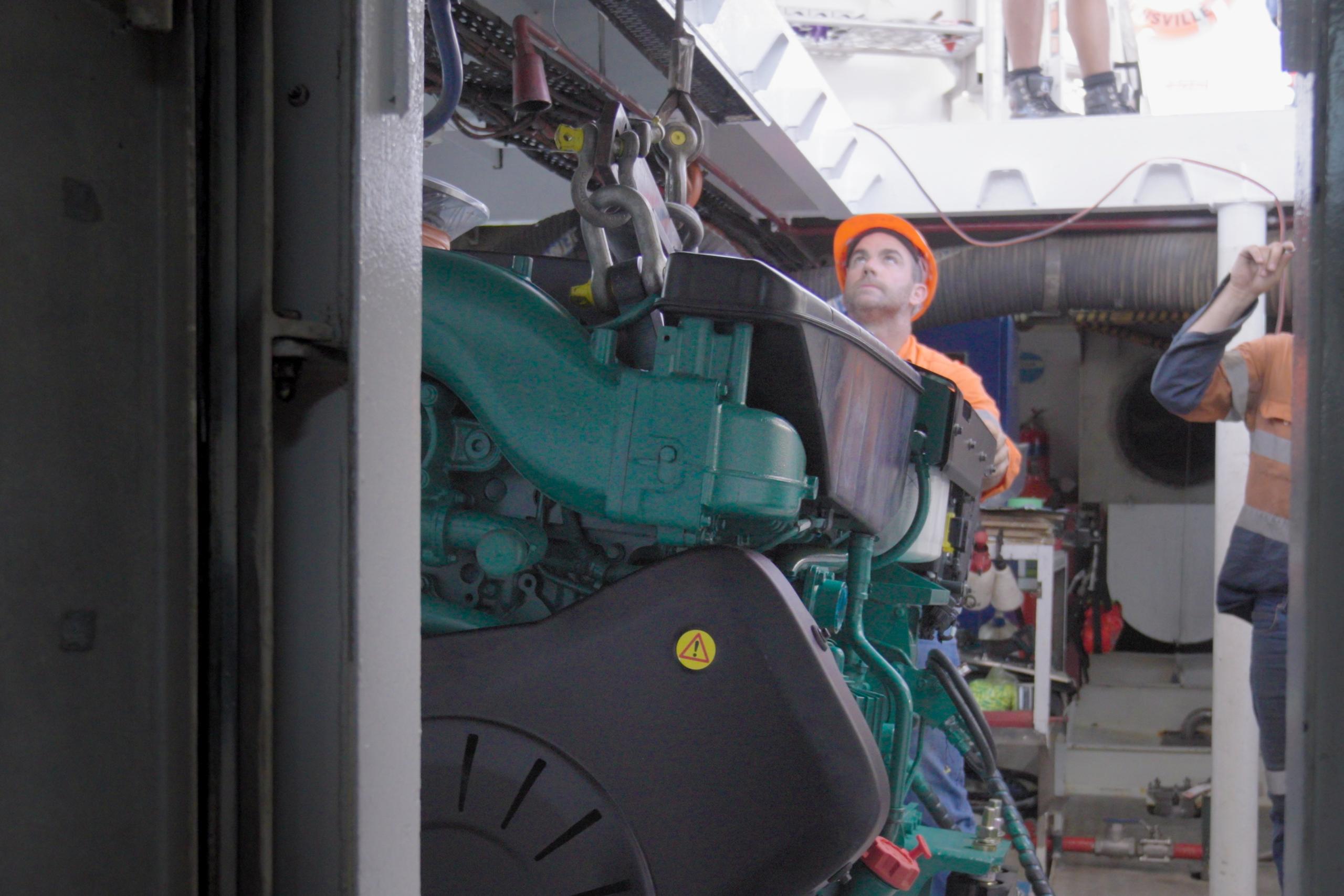
When repairing your Volvo Penta engine no longer makes sense
There is a point where repairs stop restoring performance. This often happens when:
- Multiple systems are degraded at once.
- Parts replacement no longer stabilises output.
- Recurring faults appear across different components.
At this stage, the engine is no longer failing in one area, it is showing systemic wear.
From an engineering perspective, continuing repairs often delays the inevitable while increasing total spend. This is where a new Volvo Penta engine installation becomes a more practical long-term decision.
Why Volvo Pent for upgrades?
When operators decide to repower, Volvo Penta engines are one of the most popular choices because they offer:
- Predictable fuel performance over time.
- Strong global parts and service support.
- Integrated diagnostics for maintenance planning.
- Proven reliability in commercial and recreational marine use.
Moving from maintenance thinking to lifecycle performance
Don’t just ask “can we repair this engine”, you’re better off asking “is this engine still delivering efficient, reliable output compared to a new system?” This changes the decision from maintenance to lifecycle performance.
When lifecycle cost starts rising faster than operational value, upgrading becomes the more sustainable option, both financially and operationally.
Oceania Power recommendations
From years of experience working across marine applications, we generally look at three key triggers for recommending a Volvo Penta engine upgrade:
- Increasing repair frequency within short timeframes
- Noticeable fuel efficiency decline under normal load
- Rising downtime is impacting vessel reliability
When two or more of these are present, we usually assess repower options rather than continued repair cycles.
At Oceania Power, our focus is helping operators make that decision based on real performance data, not guesswork or short-term repair cost. Contact our team and explore your options today.